The Allure of Casino Gambling
The psychology behind casino gambling is deeply rooted in the thrill and excitement that players experience when engaging in games of chance. Casinos are meticulously designed to amplify this experience through vibrant lights, engaging sounds, and strategically placed gaming machines. This sensory overload captures attention and creates an exhilarating atmosphere that can entice individuals to spend considerable time and money. The environment is specifically crafted to evoke positive emotions, making the act of gambling both enjoyable and addictive. Furthermore, players often seek out fastest payout casinos to enhance their gaming experience, highlighting the importance of quick rewards in maintaining interest.
Moreover, the unpredictability of outcomes in gambling taps into human psychology, triggering feelings of hope and anticipation. When players place a bet, they often envision the possibility of winning, which can lead to a surge of dopamine—a neurotransmitter associated with pleasure and reward. This emotional reinforcement can create a cycle where the individual seeks to replicate the excitement of winning, further solidifying their engagement with gambling activities.
Understanding Gambling Strategies
Casino gambling strategies are often developed based on psychological principles that take advantage of cognitive biases and decision-making processes. Many players rely on systems such as the Martingale strategy, where they double their bets after losses, believing that they are guaranteed to win eventually. Although this strategy can appeal to a gambler’s logic, it fails to recognize the inherent risks and potential for significant financial loss. Players tend to underestimate the house edge, which leads them to overconfidently chase losses.
In addition to miscalculating odds, gamblers are also influenced by cognitive biases such as the gambler’s fallacy—believing that past events affect future outcomes. This mindset can lead players to make irrational decisions, such as continuing to play a game they have lost repeatedly under the assumption that a win is “due.” Understanding these psychological traps is essential for both players and casinos, as it highlights the ways in which emotions and cognitive biases shape betting behaviors.
The Role of Risk and Reward
Risk and reward dynamics play a crucial role in shaping gambling strategies. For many individuals, the thrill of potentially winning large sums drives their participation in games like poker, roulette, or slot machines. The concept of risk reward also influences players’ choices when deciding how much to wager. High risks can provide high rewards, but they also come with increased chances of loss. This delicate balance is a key factor in the psychology of gambling, as it pushes players to navigate their risk tolerance and expectations.
Moreover, the concept of loss aversion, where individuals prefer to avoid losses rather than acquiring equivalent gains, also complicates strategic decision-making in gambling. Players often find themselves focusing on past losses, leading to emotionally charged decisions that stray from rational strategy. This emotional aspect of risk and reward significantly impacts how individuals approach their gambling strategies, often resulting in erratic betting behavior when under pressure or facing a losing streak.
The Impact of Social Factors on Gambling Behavior
Social influences can greatly affect an individual’s gambling strategies and experiences. The communal aspect of gambling—whether at a poker table or a crowded slot machine area—promotes social interaction that can enhance the overall excitement. This social component often leads to shared experiences between players, promoting a sense of camaraderie that can reinforce continued participation in gambling activities.
Additionally, peer pressure and social norms can shape gamblers’ behavior, as individuals might adjust their strategies based on the actions of those around them. For instance, witnessing a friend win can lead to an emotional response that encourages riskier bets, as individuals may feel compelled to replicate their friend’s success. This interaction can create a feedback loop that impacts how strategies are formed and executed, often causing players to abandon logical reasoning in favor of emotional impulses.
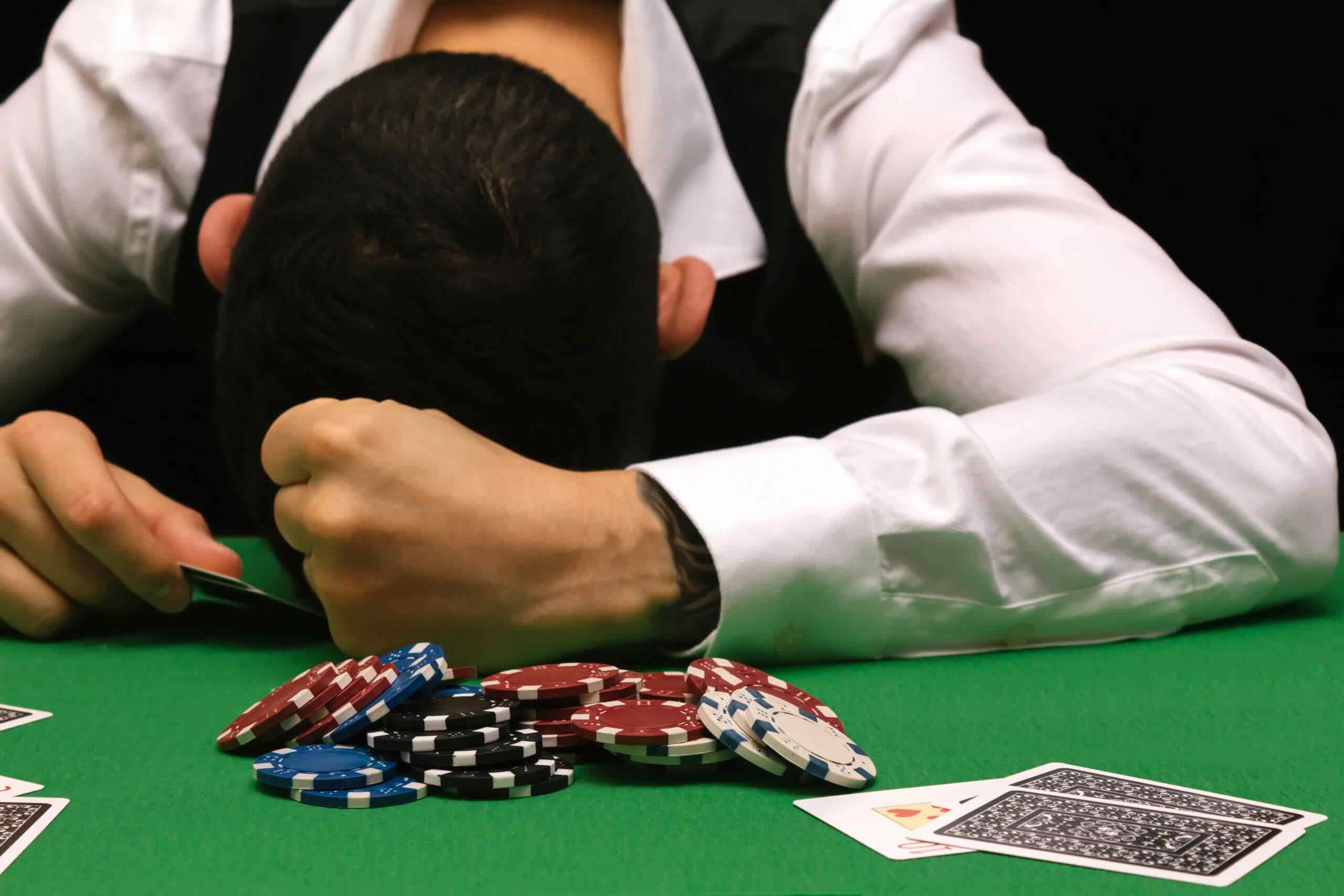
Enhancing Your Online Security While Gambling
As gambling continues to evolve in the digital age, understanding and ensuring online security is of utmost importance. Players entrusting their personal and financial information to online casinos must prioritize safe browsing practices to protect themselves against potential threats. Utilizing resources that evaluate site security, such as checking connection safety and optimizing cookie settings, can significantly enhance the overall gambling experience by providing peace of mind.
At nonnasnightmare.com.au, we emphasize the importance of secure digital interactions. Our dedicated platform provides essential tools and insights to help users maintain a safe online presence while exploring various gambling strategies. By prioritizing security, players can focus on enjoying their gaming experience without the looming concern of cyber threats, thus fostering a safe and enjoyable gambling environment.